
How to Improve the Value of Urban Real Estate
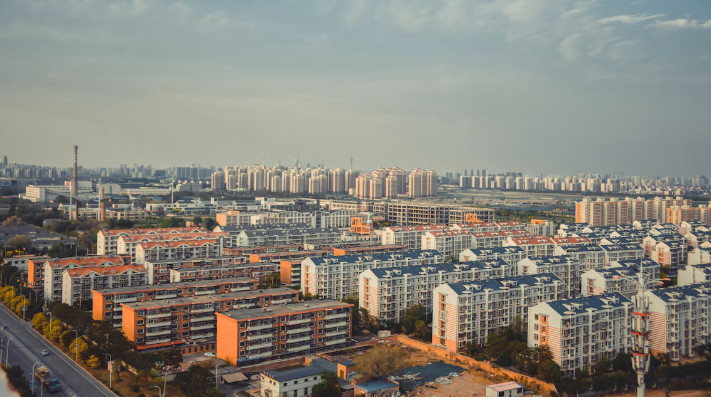
How to Improve the Value of Urban Real Estate
Increasing the value of any type of real estate project can be tricky to navigate, with every location having unique things that homeowners and investors will be looking for when purchasing a property. This is especially true for urban real estate, as value is usually driven by density, regulatory frameworks and the demands of those who live in the areas. There’s several things that can directly affect how much properties in urban areas sell for and whether a neighbourhood becomes a mouth-watering opportunity or not. You need to start thinking about operational improvements and strategic compliance that sets your project apart from the rest.
Whether managing a commercial office tower, a multi-family residential building or a mixed-use retail asset, property owners must look beyond superficial renovations. Sustainable appreciation and net operating income (NOI) growth demand strategic capital deployment if they’re going to fully capitalise on the market.
In this guide, we will focus on urban real estate and why it’s becoming such a big topic at the moment when it comes to property valuations. We’ll then provide you with some guidance on how you can improve the value of your urban real estate, helping to rent it out for more money or sell it for a higher profit. Continue reading to learn more.
Improving Urban Real Estate Value
Vertical Air Rights
One thing that reduces the value of urban real estate is that they fail to use vertical space, as they completely forget about the maximum floor-area ratio. These areas have high-density zoning, so using more upwards space can be a huge upside to give homebuyers more space within their new home or businesses more floors for all their workforce.
Rooftop additions to a property can increase its value, such as constructing a penthouse for residential units or a space for private offices. You often see many hospitality venues utilise this type of space, giving them another area for incorporating an extra bar, restaurant or lounge for guests, increasing their overall revenue.
In municipalities with Transferable Development Rights (TDR) frameworks, surplus air rights can be sold directly to adjacent parcel developers. This makes using vertical air rights within any type of development essential if you want the rest return on investment (ROI).
Micro-Space Repurposing
Similar to utilising more vertical space, properties on urban areas should focus on the construction of basements and useful underground storage. This gives homeowners and businesses more space to store their belongings without taking up space in other areas of the building that can be used for necessities. This underground space can also be used for refrigerated package delivery lockers, private tenant storage units or delivery-only food hubs, which are all currently on trend for high-value properties.
You can also transform cavernous ground-floor lobbies into revenue-generating third spaces, such as third-party specialty coffee bars, co-working lounges or rotating cultural exhibition spaces that elevate the building’s market profile.
Floor Plate Flexibility
Tenant requirements change rapidly, as each year there will be a new trend that consumes the market and becomes the next big investment opportunity. Implementing non-load-bearing demising walls and flexible utility routing allows owners to reconfigure large single-tenant footprints into multi-tenant micro-suites as market demand shifts. This is something that many urban property owners are looking into incorporating into their existing buildings.
Modular spaces compress vacancy periods by widening the amount of potential occupiers, so a sale becomes more likely than before.
Deep Energy Retrofits
With smart technology and green energy both on the rise in new builds, prioritising these is crucial if you want to keep up with the high-demand market of urban areas. HVAC electrification is really big in 2026. As part of this approach, replacing aging boilers with high-efficiency Variable Refrigerant Flow (VRF) heat pumps is a much more sustainable approach.
You need to improve your building’s envelope too. Upgrading single or double-glazed windows is a huge part of this, with low-emissivity (low-E) triple glazing being the most sustainable method, as this will keep in the warmth and keep out the cold during the winter so you can save on energy bills.
IoT sensors can also be useful for tracking occupancy, temperature and air balance in real time. This gives the property better climate control that will match human presence rather than static schedules, so it’s great for savings.
Clean Generation and Storage
Adding to this sustainability focus, having a clean way to generate and store energy will be something that significantly increases the value of an urban real estate. Urban solar panels are very popular now with entire streets and neighbourhoods making it mandatory to have this clean energy generation method. This will get energy directly from the sun and will be much cheaper for property owners than regular energy.
Storing off-peak power to discharge during peak utility pricing windows slashes capacity charges. In deregulated power markets, BESS allows building operators to monetise participation in demand-response grid services.
Third-Party Certifications
Attaining green building certifications, such as LEED Platinum/Gold, BREEAM Outstanding or Passivhaus, is now considered a must-have for investors who are seeking ESG-compliant real estate. These can be a big selling point to anything looking to purchase or rent property, helping to generate better ROI in urban areas.
The WELL Building Standard must also be met, so it benefits human health, wellness and interior workplace optimisation. This makes a property worth investing in, as benefitting those inside of it will be very appetising.
Improved Tenant Experience
Urban real estate needs to put a real focus on those that will actively be inside the properties, as having these types of ecosystems will outperform buildings that don’t consider it. Integrating living green walls, indoor water features and extensive natural lighting to reduce stress and improve mental focus. This biophilic design is being used throughout real estate to give residents a better living experience.
Acoustic engineering is very important too. You can implement Sound Transmission Class (STC) partitions and sound-dampening architectural elements to neutralise noise from outside.
Business Access
Investing in property that is close to business opportunities will increase the amount that it’s worth, especially if located in a major city like London or Manchester. The latter is a major northern economic hub offering a booming job market across tech, finance, media and healthcare, alongside strong capital growth and high rental demand.
Having a property that gives those with HGV training access will bring a lot of benefits, such as getting in all the materials and goods you need.
How Building Management Systems (BMS) are Beneficial
BMS are a computer-based control network that monitors and manages a facility's mechanical, electrical and safety services from a single interface. Using mobile apps for building management makes operations easier and helps collect useful tenant data:
- Access Control: Replace physical keycards with smartphone access using phones for entry doors, gates, elevators and offices.
- Visitor Management: Use digital QR codes for guests to speed up check-ins and improve security.
- Digital Sub-Metering: Track energy use automatically for each tenant to avoid billing disputes and encourage energy saving.
Automated scheduling and sensor integration ensure heating, cooling, and lighting run only when and where they are needed, frequently cutting energy use by 15% to 30%. This makes buildings more sustainable, which as mentioned earlier, is a big selling point for many investors, homeowners and businesses.
Strategic Capital Allocation Framework
To maximise ROI, property owners should prioritise interventions across short, medium and long-term execution horizons:
- Short-Term (Months 1–6): Operations
- Audit and tune core building management systems (BMS).
- Launch keyless entry and mobile tenant management apps.
- Monetise unused spaces with storage units and package lockers.
- Medium-Term (Months 6–18): Amenities & Upgrades
- Redesign lobby areas for cafes, retail, or co-working spaces.
- Add wellness amenities and quiet work pods.
- Upgrade to LED lighting, energy sub-metering and modern air filtration.
- Long-Term (Months 18–36+): Major Investments
- Complete major energy retrofits like heat pumps and insulation.
- Apply for building extensions or adaptive reuse permits.
- Earn key green building and connectivity certifications (LEED, WELL, WiredScore).
Final Thoughts
As urban areas face changing demographics and growing climate risks, real estate strategies must adapt quickly. Future value creation will depend heavily on a property's resilience, its ability to withstand severe weather, adjust to new regulations, and stay practical for decades to come. Institutional investors are increasingly choosing properties with modern infrastructure and proactive risk management, treating flexibility as an essential requirement rather than just a helpful bonus.
Looking ahead, new sustainability rules, carbon reporting standards and shifting working habits will redefine property values across city markets. Forward-thinking owners must continually update their physical assets to meet market demands and environmental standards. Anticipating regulatory changes and focusing on long-term viability allows property owners to attract new tenants, maintain steady income growth, and stay competitive in the urban market.
If you’re wanting to get into the urban real estate market, the above content should help you with identifying ways to increase the value of the properties you purchase, so you can then sell for more when the time is right.
FREQUENTLY ASKED QUESTIONS
More from our blog

A Beginner’s Guide to Starting and Profiting from Vacation Rentals
If you’re a first-time real estate investor, you probably already know that the hardest part of building wealth is simply getting started, not to mention finding an option that’s actual
By, Matthew

Preparing for Showings: Making Your Home Shine
Your home’s curb appeal will be its prime selling point, helping to make an instant impression to anyone coming to view the property in the Read more...
By, Matthew

Hidden Gems: Unveiling Underrated Areas for Savvy Homebuyers
Homebuyers are in a great position to explore the current house market with there being so many underrated areas to purchase a property. Try to think away from major cities like London or Edinburgh
By, Matthew