
The Growing Demand for Specialist Commercial Properties
The Growing Demand for Specialist Commercial Properties
The commercial property market is constantly evolving, and demand for specialised properties is becoming increasingly popular. For many years, warehouses, offices, and retail properties have all been at the forefront of commercial property. Now, this is beginning to change, with the demand for more specialised properties that are more technical, operational and built for environmental needs.
Pharmaceutical manufacturing facilities, scientific laboratories and data centres are some of the specialised buildings. They need buildings with specialised infrastructure, reliable utilities and facilities capable of supporting very complex operations.
With this shift, commercial real estate investors are shifting their investments from traditional commercial buildings to far more sophisticated and operational buildings. These do require a much larger investment for a much larger return.
What Are Specialist Commercial Properties?
Specialist commercial properties are buildings designed or adapted for companies with specialised operations, technical or regulatory requirements. Unlike conventional commercial premises, these properties do require bespoke infrastructure, specialist equipment and carefully controlled internal environments. Some of these include laboratories, healthcare buildings, food processing plants, advanced manufacturing sites, and data centres.
All of these property requirements are specialised to their needs. A pharmaceutical facility will need to be a controlled environment, specialist ventilation, and managed water systems. Data centres also need to be in a controlled environment, with very advanced cooling infrastructure and ultrapure water to keep the facilities cool. Not to mention high-level security systems and reliable connectivity. Even some research laboratories will require a specialised environment with ventilation, contamination control and access to specific utilities to support scientific activities.
Industries Driving Demand for Specialist Commercial Properties
There are several industries that are contributing to this growing demand for commercial properties that require specialist capabilities. As technology continues to improve and businesses adapt their operations, the specialised needs for these properties will need to change.
Pharmaceutical and Biotechnology
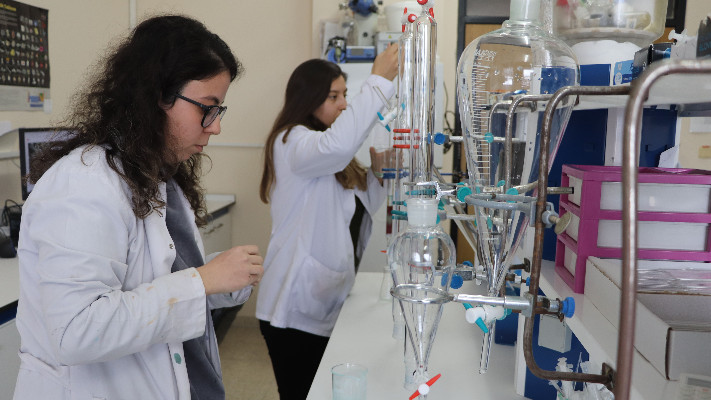
Although pharmaceutical laboratories have been around for many years, the technology that they use is changing. This is why they need to be in highly controlled environments to help with research, development and manufacturing activities. These facilities need to meet strict demands for cleanliness, temperature control, ventilation, and contamination control.
Pharmaceutical production sites will require specialist cleanrooms, dedicated storage facilities and advanced water treatment systems. Water quality can be extremely important in these facilities for keeping specialised equipment clean; however, they will also require specialised water for the manufacturing process.
These operational needs also influence the design and suitability of commercial properties. Those with pharmaceutical operations need premises that accommodate specialised equipment, technical infrastructure and relevant regulatory requirements.
Data Centres and Digital Infrastructure
In the last 5 years, we’ve seen the construction of data centres increase rapidly, especially as businesses, governments and consumers rely more on highly advanced digital services.
Cloud computing, AI, online platforms and data storage depend on extensive digital infrastructure. This has increased demand for properties capable of supporting large-scale computing and data processing operations.
However, data centres have different requirements compared to pharmaceutical companies. For example, they need a high amount of electricity for the building, along with reliable backup power, advanced cooling systems, high-level security and reliable telecommunications infrastructure.
Cooling is one of the most important parts of these facilities due to the data centres producing a high amount of heat during operation. This technology needs to maintain a suitable temperature to protect the equipment and ensure reliable performance.
There are various cooling systems for these data systems, but one of the more common is an efficient water cooling system. The requirements for this technology do depend on the individual equipment.
Location is another very important consideration because they need a reliable power network, fibre connectivity and suitable land. Additionally, a property developer must carefully consider planning requirements, environmental impact, energy consumption and opportunities to improve operational efficiency.
As digital infrastructure becomes increasingly important for the economy, properties that can accommodate data centre operations are among the best investments for property investors.
Healthcare and Scientific Research
As there are many countries with an ageing population, it is evident that there is a need for hospitals, and as technology improves, these will need specialised facilities. Hospitals, diagnostics centres, and research laboratories will all need to be controlled environments.
Scientific research laboratories will also have specific requirements depending on the projects being completed there. Facilities working with sensitive materials will also require strict contamination controls, while others will require specialised storage and environmental monitoring systems.
The Importance of Specialist Building Infrastructure
One defining characteristic of specialised commercial properties is the infrastructure required to support their intended use. Yes, the location and accessibility are equally as important; however, the technology that they intend to use depends on the individual requirements.
Pharmaceutical companies will require specific advanced heating and ventilation. Data centres will require specific cooling and electrical equipment to ensure everything runs efficiently. Then manufacturing facilities will require specialist utilities to accommodate complex production equipment. Not to mention, water management is essential for many of these specialised commercial properties.
It is very important that commercial property developers can’t assume that one property can serve all. It needs to be specially designed for whatever the intended use is, and for that, they may need to work with someone who is involved in that field. For example, laboratories will need highly purified water for analytical testing, and then pharmaceutical production may require a specific type of water that meets the regulatory requirements for manufacturing.
Developers and property owners will need to consider what type of commercial property they wish to construct before starting the planning process. One of the most important parts of the planning will be to consider the individual infrastructure requirements in order for these to work effectively.
Why Standard Commercial Properties May Not Be Suitable
Although conventional commercial buildings can accommodate a wide range of businesses, they are not always suitable for specialist operations. For example, standard industrial units may have a good amount of floor space, but if they don’t have the electrical capacity, ventilation or other special requirements, then they are not going to run efficiently.
Similarly, an ordinary office building is unlikely to provide the environmental controls and technical infrastructure, and security arrangements needed for a research laboratory or data centre.
If an existing commercial property has been purchased, it could potentially be transformed into another specialist facility. The only issue with this is that it will need a substantial investment to transform it into the required facility. In some cases, this may not be possible because the location isn’t right or it doesn't have the electrical supply for it.
There will be planning and regulatory considerations depending on the proposed use of the building. This means that businesses will often assess the technical suitability of a property alongside its location, accessibility and the overall cost of the facility. There are many buildings that can look attractive on paper, but when it comes to the logistics, they may not be able to accommodate the individual operation requirements.
This creates an opportunity for developers to deliver purpose-built premises that address the needs of specific industries from the outset.
What This Means for Commercial Property Investors and Developers
There is no doubt that there is a growing demand for commercial properties that present opportunities for investors and developers. However, this will introduce additional considerations.
One very important factor, arguably the most important, is to understand the potential occupiers. Different industries have different expectations, and a property designed for pharmaceutical manufacturing will have very different specifications compared to a hospital or a data centre. Additionally, developers should consider factors such as utility capacity, building specifications, access requirements, environmental controls and ongoing maintenance costs.
Location is vital when it comes to where a commercial property is developed, especially if they are going to be special requirements with the building. Plus, it will be worth property developers thinking about how versatile the building could be for different occupiers.
Investors need to carefully consider what they want to do when it comes to investing in specialised commercial property. Initial development costs, maintenance requirements, alternative uses and tenant demand should all be assessed carefully. Investors should identify the specialised premises that are required and then what is required for these individual properties.
Conclusion
It is evident that there is a growing demand for these specialised commercial properties, and it reflects wider changes across the industrial, pharmaceutical, healthcare, scientific and technology industries.
Businesses will continue to adopt more advanced technology, which is why their requirements are going to become more specific. Yes, the traditional office and industrial unit are going to remain important; however, organisations will need buildings with dedicated infrastructure, controlled environments and specialist utility systems.
It is strong evidence that data centres, pharmaceutical manufacturing facilities, research laboratories and advanced manufacturing sites are all demonstrating how operational requirements will influence commercial property development.
Location and available floor space all remain a key part of a property investment, and technical suitability, infrastructure capacity, energy efficiency, and long-term adaptability are becoming equally significant.
Once these commercial properties have been developed, it will be very difficult to increase the value of them unlike other urban real estate. That is because they are specially designed for commercial use.
FREQUENTLY ASKED QUESTIONS
More from our blog

A Beginner’s Guide to Navigating Your First Rental Property Journey
For first-time investment property buyers with stable careers, growing savings, and a desire to build long-term income, the jump from curiosity to closing can feel unexpectedly stressful. Many begi
By, Matthew

How AI Technology Enhances the Real Estate Experience
The real estate industry has changed a lot in this decade, even more so in the last 15 years. Artificial intelligence is one of the frontrunners of this, having a positive impact on valuations, cus
By, Matthew
How to Improve the Value of Urban Real Estate
Increasing the value of any type of real estate project can be tricky to navigate, with every location having unique things that homeowners and investors will be looking for when purchasing a prope
By, Matthew